 English
 Español
 Deutsch
 Nederlands
 русский
 Svenska
 Français


What is the energy certificate required to sell a house on the Costa Blanca?
If you are thinking about selling a house on the Costa Blanca, there is one document you should have under control from the very beginning: the Energy Performance Certificate (EPC), commonly known as the energy certificate. It is not simply a “last-minute" formality: it affects how you advertise the property, the buyer's trust, and in some cases it can even delay the transaction if it is not ready in time.
In this article, I explain in a clear and practical way what it is, when it is mandatory, how long it lasts, who issues it and which common mistakes should be avoided when your goal is to sell a house on the Costa Blanca safely and without unpleasant surprises.
What the energy certificate is and what information it includes
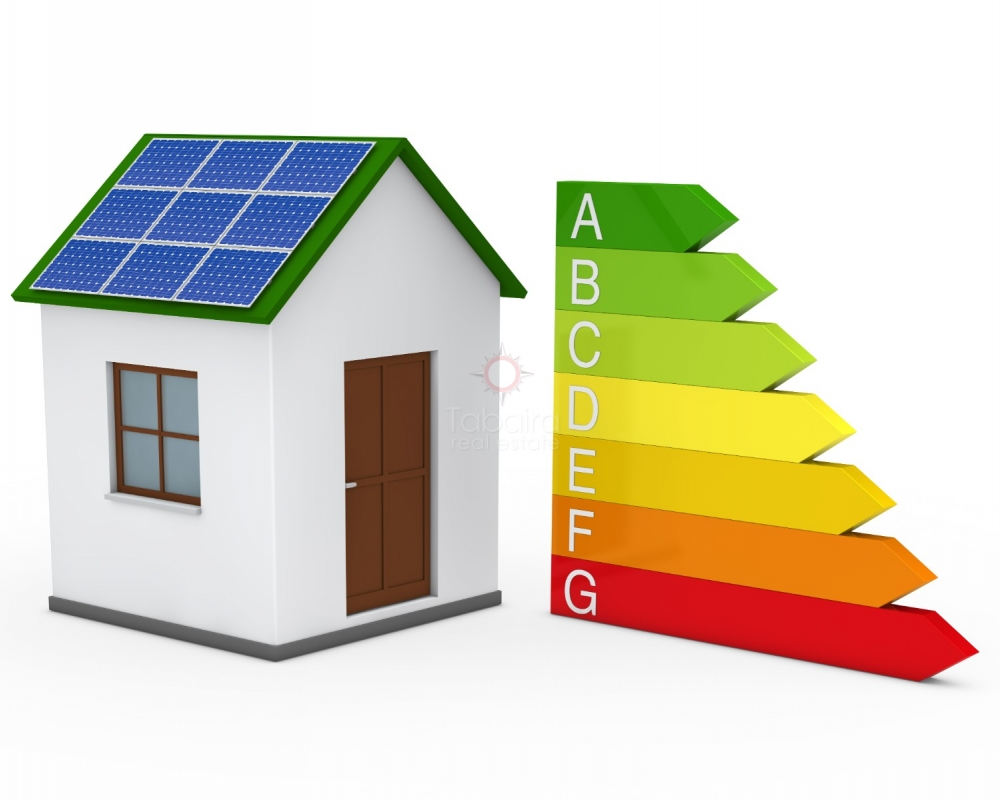
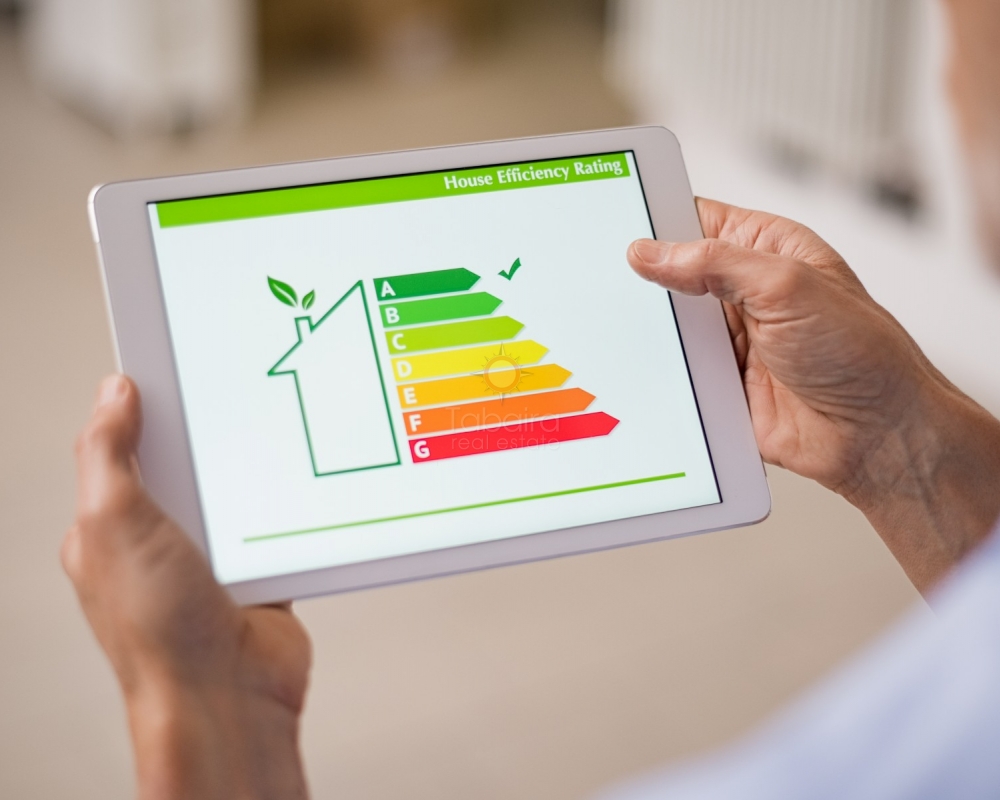
The energy certificate is an official report that indicates the energy rating of a property (from A —most efficient— to G —least efficient—) and estimates its consumption and emissions. The current procedure and obligations are regulated by Royal Decree 390/2021.
In addition to the letter rating, the document usually includes:
- Property details and information about the certifying technician.
- Energy consumption and emissions results.
- Recommendations for improvements (to increase efficiency).
Is it mandatory to sell a property on the Costa Blanca?
Yes. In Spain, to sell a property it is mandatory to have an energy certificate (with some specific exceptions) and to register it according to the regional procedure.
And an important point: the energy label must appear in the advertising (listings on property portals, websites, etc.). In other words, it is not enough simply to “have it"; you must display the rating in the advert.
Common exceptions: when it might not be necessary
There are certain cases that are exempt from the obligation. For example, Spain's Ministry for the Ecological Transition clarifies that physically detached buildings with a total usable area of less than 50 m² are excluded; however, if it is a home, apartment or premises under 50 m² within a building, the certificate is still required.
(In practice, most typical residential properties on the Costa Blanca do require it.)
When you should arrange it if you want to sell a house on the Costa Blanca
If your plan is to sell a house on the Costa Blanca, the most advisable approach is to arrange the certificate before putting the property on the market, for three reasons:
- You comply with the advertising requirement (avoiding issues and incomplete listings).
- You build trust: international buyers value transparency in documentation.
- You save time: paperwork will not slow you down when a serious buyer appears.
How long the energy certificate lasts
As a general rule, the certificate has a maximum validity of 10 years, with one important exception: if the rating is G, its validity is reduced to 5 years.
Who can issue it and how to obtain it
The certificate must be issued by a qualified technician (usually an architect, architectural technician or engineer) who visits the property, collects data and generates the report using approved software. Afterwards, the certificate is registered with the relevant authority.
If you are preparing a sale, it is useful to include it in a documentation checklist (alongside title deeds, IBI receipts, land registry extract, etc.) so everything progresses at the same time.
What happens if I advertise or sell without the certificate?
There may be penalties. For example, it is considered an infringement to advertise a property without having the EPC or without displaying the rating, and fines may vary depending on the case. Tinsa summarises scenarios with ranges that can reach up to €6,000 in serious or very serious cases.
Beyond the fine, however, the most common issue is another one: loss of trust, buyer uncertainty and friction during negotiations.
Common mistakes when selling (and how to avoid them)
If your goal is to sell a house on the Costa Blanca efficiently, avoid these mistakes:
- Publishing the listing without the energy label (very common).
- Obtaining it “at the last minute", which may delay reservations or signing dates.
- Not checking the validity (an expired certificate means problems and possible penalties).
- Not using it as a sales tool: if the rating is good, it helps sell; if it could be improved, it can be explained honestly together with possible solutions.
How Tabaira Real Estate can help you with this process
Selling well is not just about placing an advert: it involves coordinating documentation, strategy, presentation and negotiation with a buyer who, in many cases, is making decisions from abroad.
At Tabaira Real Estate we support you throughout the entire selling process so you can sell a house on the Costa Blanca with peace of mind: we guide you on the documentation you need to prepare (including the energy certificate), review the property listing so it complies with requirements, and manage the marketing professionally with a close and transparent approach.
Would you like to sell with confidence from the very first step?
Contact Tabaira Real Estate and we will guide you with the right documentation and strategy for your property on the Costa Blanca.
Tabaira Real Estate (Moraira)
- Phone: (+34) 96 574 41 79
- Email: info@tabairarealestate.com
- Office: C/ Iglesia 4, 03724 Moraira (Alicante)
Properties Featured Properties
-
Seaviews
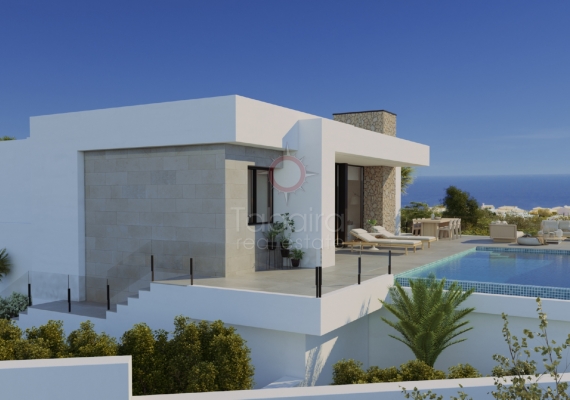
Villa · New build · Cumbre del Sol Ref: 70.351
Consult -
Villa · New build · Cumbre del Sol Ref: C-12315
1.687.000€ -
Villa · Sale · Cumbre del Sol Ref: HM-24150
820.000€ -
Seaviews
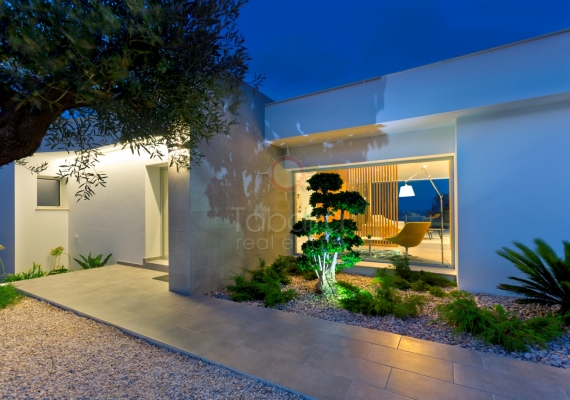
Villa · New build · Cumbre del Sol Ref: 70.350
1.071.000€ -
Villa · Sale · Cumbre del Sol Ref: MH-29474
1.680.000€ -
Seaviews
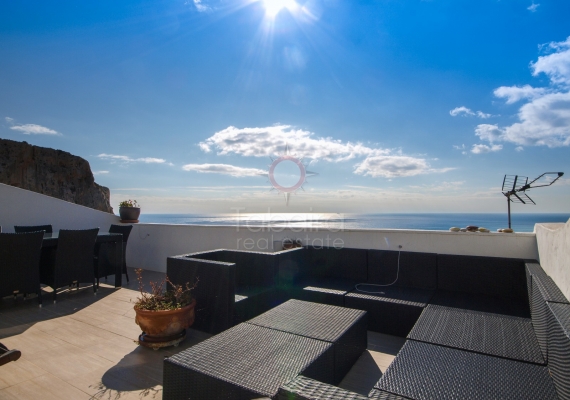
Bungalow · Sale · Cumbre del Sol Ref: 30.312
449.000€ -
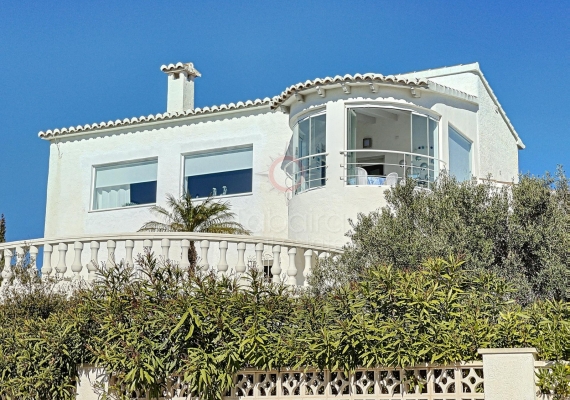
Villa · Sale · Cumbre del Sol Ref: 20.3983C
650.000€ -
Seaviews
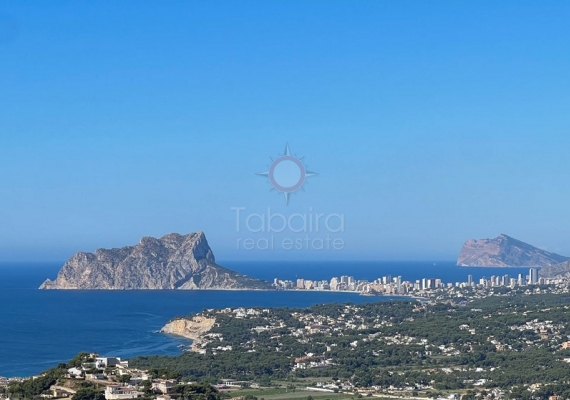
Villa · New build · Cumbre del Sol Ref: 20.3483E
875.000€
 Visit us C/Iglesia 4. 03724 Moraira
 Call Us +34 965 744 179
 Send us a message info@tabairarealestate.com
 Chat on Skype with us tabairarealestate1




 ONLINE VIEWINGS